
Canine Leishmaniasis in Georgia
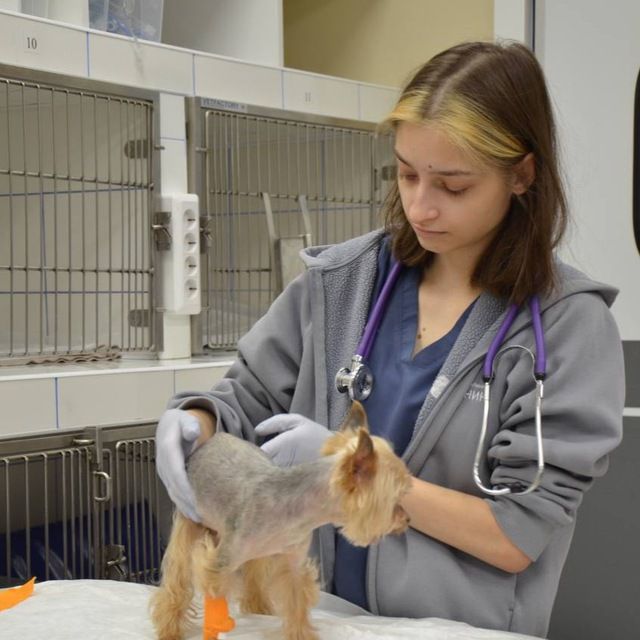
Sofya Starodubova
Veterinarian
Leishmaniasis occurs in Georgia: a dog can become infected here even if they have never travelled abroad. Infection does not always lead to noticeable disease, and a positive test result alone does not determine whether treatment is needed. A veterinarian needs to assess the dog’s condition together with the results of diagnostic tests.
We spoke with veterinarian Sofia Starodubova about how leishmaniasis is transmitted, what changes owners may notice at home, and why follow-up examinations are necessary after treatment.
What is leishmaniasis?
Leishmaniasis is caused by Leishmania, microscopic parasites transmitted through the bite of an infected sand fly. There are different species of Leishmania, so the course of infection can vary in humans and animals. One of the main species affecting dogs is Leishmania infantum.
After a bite, Leishmania parasites enter the body and are taken up by macrophages, cells of the immune system. However, the parasites can survive and multiply inside these cells. This allows the infection to spread throughout the body. Organ damage can result both from the parasite itself and from the immune response to it.
What transmits the infection?
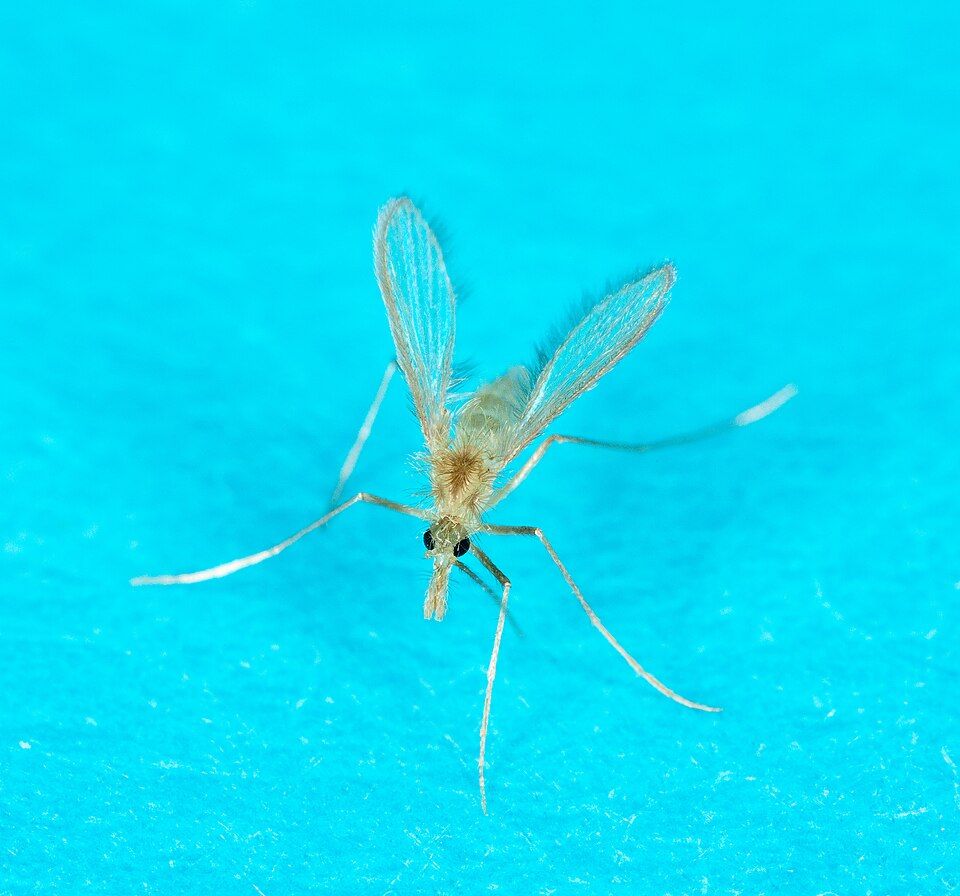
The vectors are female sand flies, small blood-feeding insects. A sand fly is not the same as a common mosquito: it is smaller, with slender legs and a body covered in fine hairs. There is no way to tell from a bite whether the insect was infected.
Sofia explained that sand flies are particularly active around dusk, especially near water. But simply being cautious during evening walks is not enough: in areas where leishmaniasis occurs, dogs need protection throughout the entire period when sand flies are active.
Where does leishmaniasis occur?
Leishmaniasis occurs in various parts of the world, including Mediterranean countries. It is also found in Georgia. A study conducted in 2011–2012 detected infection in dogs in Tbilisi and Kutaisi.
However, older studies cannot tell us the current level of risk in every neighbourhood or park. A study published in 2014 used data collected in 2011–2012. It cannot be used to identify a “safe” area of Tbilisi or to conclude that preventive treatment is unnecessary near your home.
Does leishmaniasis affect only dogs?
No. Leishmaniasis can affect humans and other animals, including cats, although the disease is less common in cats than in dogs. The main route of infection is the bite of an infected sand fly.
Can you catch leishmaniasis from your dog?
Leishmaniasis is not transmitted through normal everyday contact. You can pet your dog, care for them, and live with them in the same home. A dog does not need to be isolated from the family because of the diagnosis.
Other routes of transmission between dogs are also possible, including transfusion of infected blood, mating, and transmission from a mother to her puppies. Screening for leishmaniasis in canine blood donors and dogs intended for breeding should therefore be discussed separately with a veterinarian.
What symptoms might you notice?
Leishmaniasis can cause a wide range of signs. Sofia mentioned scaling and skin lesions, including around the eyes and muzzle, ulcers, and changes to the claws. A dog may become less active, lose their appetite, or lose weight. Fever and increased thirst are also possible.
Leishmaniasis cannot be diagnosed from appearance alone: these changes can occur with many other conditions. Some abnormalities are also only detectable through laboratory tests. Anaemia, for example, may explain weakness, while kidney damage can cause changes in drinking and urination.
Kidney function is particularly important for prognosis. During the course of the disease, immune complexes can damage structures within the kidneys. For this reason, an assessment for suspected leishmaniasis should not be limited to examining the skin or performing a single test for infection.
How is the diagnosis confirmed?
Sofia specifically emphasised the difference between infection and clinical disease. One dog may remain without noticeable symptoms for a long time after becoming infected, while another develops disease. The immune response is one of the factors that influences this. A dog that appears healthy can still be infected.
The veterinarian considers where and under what conditions the dog lives, asks the owner about symptoms, examines the dog, and evaluates laboratory results. A complete blood count, blood biochemistry, and urinalysis are usually required; if necessary, urinary protein loss is also assessed. These tests help determine whether organs have been affected and how severely.
Antibody tests measure the immune response to the parasite. Quantitative testing can be used to assess antibody levels. PCR detects the parasite’s genetic material rather than antibodies. The result also depends on the type of sample tested: a negative PCR result from blood does not always rule out infection.
Detecting infection and assessing clinical disease are two different tasks. Test results therefore need to be interpreted together with the dog’s condition and the findings of other examinations.
What should you do if a healthy-looking dog tests positive?
A positive result does not automatically mean that a dog needs the same treatment regimen as an animal with clear clinical disease. But it does need to be discussed with a veterinarian, even if the dog is eating normally, active, and appears well.
The veterinarian will consider the type of test, the antibody level, and the condition of the dog’s organs. If antibody levels are low and no abnormalities are found, monitoring with repeat examinations may be recommended. High antibody levels are a different situation: appearing healthy on the outside is not enough to rule out the need for treatment.
How is leishmaniasis treated?
Treatment depends on the stage of the disease and the condition of the internal organs. If leishmaniasis has caused complications, additional treatment may be required, particularly if kidney function is impaired.
Current guidelines use combinations of medications, such as meglumine antimoniate with allopurinol or miltefosine with allopurinol. The treatment regimen should be chosen by a veterinarian. This is not a short course given “just in case”: some parts of treatment last for weeks, while others may continue for months. Medications should not be started, substituted, or discontinued based solely on drug names mentioned in an article.
Treatment can help control the infection and achieve remission, a state in which the clinical signs of disease disappear. However, Leishmania parasites generally remain in the body, so relapses are possible and the dog requires ongoing veterinary monitoring. Prognosis depends on the extent of organ damage, particularly to the kidneys, and on how the dog responds to treatment.
Before starting treatment, it is useful to discuss the entire plan with your veterinarian: which medications will be needed, where to obtain them, when follow-up tests should be performed, and which changes at home should prompt an unscheduled veterinary visit.
Why can relapses occur?
Even after a dog improves, the parasites may remain in the body. This means that symptoms can sometimes return. It is one reason why monitoring should continue even when the dog appears healthy again.
Follow-up is not based on antibody levels alone. The veterinarian considers the dog’s overall condition, physical examination, blood and urine tests, and changes in serology over time. The frequency of veterinary visits depends on the stage of disease and the treatment regimen. A blanket rule such as “check antibodies every three months” cannot replace an individual monitoring plan.
How can you protect your dog?
The main goal of prevention is to reduce the risk of bites from infected sand flies. When choosing a preventive product, check whether it specifically provides protection against sand flies. A product labelled simply for “fleas and ticks” does not necessarily provide this protection.
Leishmaniasis prevention requires products with a repellent effect: they repel sand flies and reduce the likelihood of a bite. Oral flea and tick medications generally begin working after the parasite has bitten the animal, so they do not replace repellent protection. Different products can be combined when necessary, but it is best to choose a safe combination with your veterinarian.
Collars and topical products with activity against sand flies are available. Their duration of action, instructions for use, and restrictions vary. For example, the manufacturer of Scalibor states that the collar reaches its full effect after one week. This applies to that specific product and is not a general rule for all collars.
Preventive products need to be used according to their instructions: renew them on time, fit collars correctly, and take bathing and other treatments into account. Products intended for dogs should not automatically be used on cats. If both dogs and cats live in the same household, tell your veterinarian when choosing preventive products.
In Georgia, sand flies are active from early June until the end of September. During this period, dogs need repellent protection. During the rest of the year, oral flea and tick medications can be used for routine parasite prevention. Repellents are also necessary for dogs that have already tested positive for Leishmania. Natural oils should not be considered an equivalent substitute for products with demonstrated efficacy.
Is there a vaccine?
In some European countries, dogs can be vaccinated against leishmaniasis. These vaccines reduce the risk of developing disease but do not provide complete protection and do not replace protection against sand flies.
Leishmaniasis vaccines are not available in Georgia.
What should you consider when arranging pet sitting or boarding?
Normal contact with a dog with leishmaniasis does not in itself require special disinfection of the home or boarding environment. Before arranging pet care, discuss the diagnosis, the dog’s current condition and prescribed treatment with the sitter, as well as sand fly protection for all dogs involved.
If the dog is receiving treatment, provide a written medication schedule, the veterinarian’s contact details, and a plan for what to do if the dog’s condition worsens. Whether boarding or pet sitting is appropriate depends on the individual dog’s condition and whether the prescribed care can be provided. For the owner, this is another reason to agree on a monitoring plan with the veterinarian in advance rather than relying only on how the dog appears today.