
How Much Do Dogs Sleep?

Anna Platonova
Co-founder Expaw
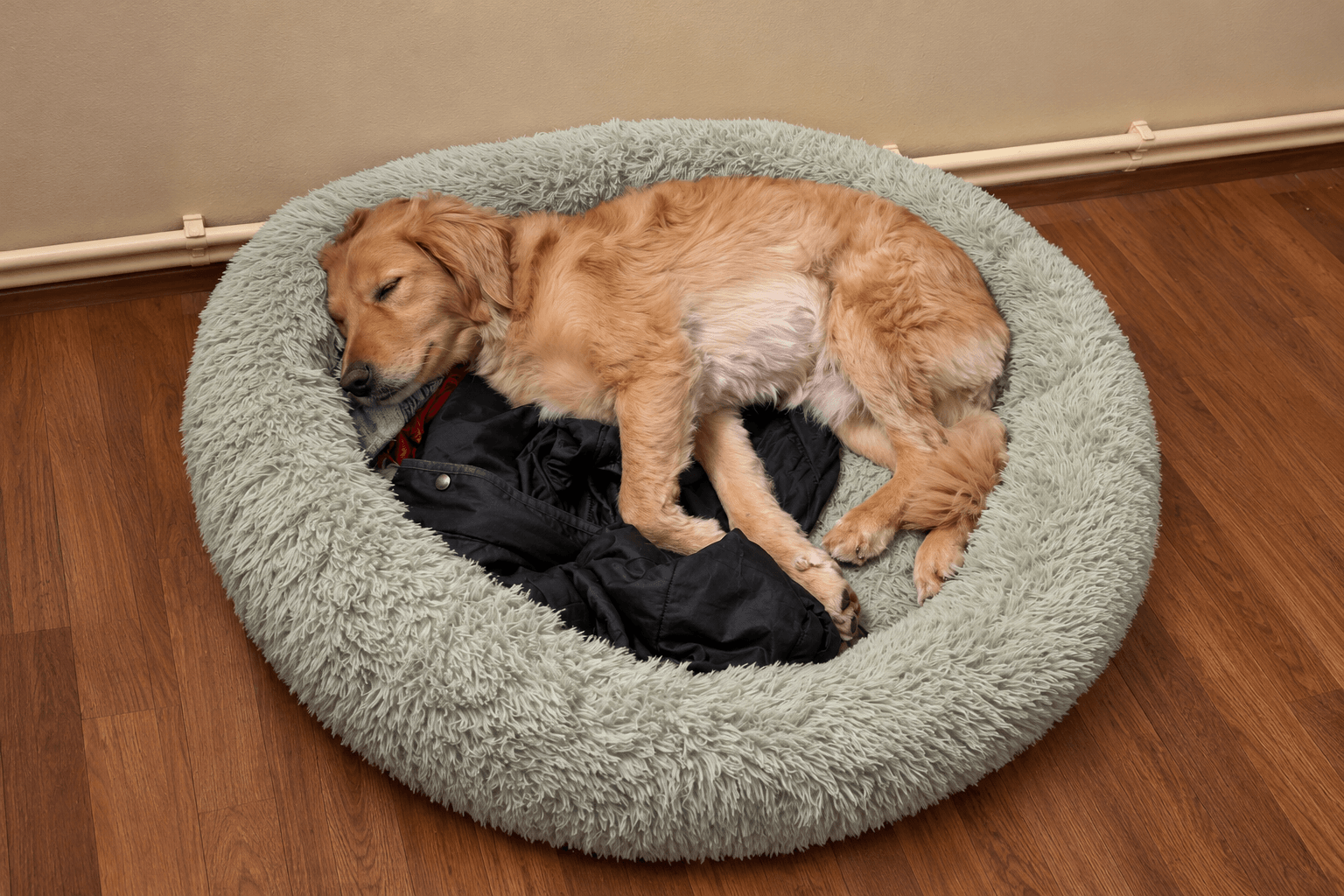
An adult dog typically sleeps around 12–16 hours a day, including naps. Young puppies can sleep 18–20 hours, and senior dogs often need more rest than they used to. These are rough guides. How much your dog sleeps depends on their age, health and daily routine.
How much sleep does an adult dog need?
You get back from a walk, your dog eats and lies down again. A couple of hours later, they move from their bed to the sofa. For many dogs, that’s an ordinary day. They sleep at night and nap several times during the day.
If your dog springs up every time you go to the kitchen, it’s hard to tell how much of that time they actually spent asleep. Watch them over a few ordinary days. Notice when they fall asleep, what wakes them and how they act after resting.
How much do puppies sleep?
Young puppies may need 18–20 hours of sleep a day. A puppy wakes up, eats, plays for a bit, goes to the toilet and falls asleep again. Their sleep pattern changes as they grow. A two-month-old puppy and an adolescent dog have different needs.
Give your puppy a quiet spot where they can sleep without being petted, called over to play or woken up for a photo. They still need naps after a good night’s sleep.
How much do senior dogs sleep?
As dogs get older, they may tire more easily and nap more often. Pay attention to sudden changes. If your dog used to be eager for walks and now barely gets up, talk to your vet.
How stress affects a dog’s sleep
Stress can make it harder for a dog to sleep. After a move, there are unfamiliar smells, sounds outside the door and a different place to sleep. Your dog might struggle to settle even when you’re nearby.
If you’ve taken in a dog from the street, they might sleep a lot for the first few days, as if they’re catching up. Their sleep may change again as they get used to the house. They might wake more often, listen for noises or follow you from room to room. Every dog settles in at their own pace. Give them a quiet spot and time to adjust. If they seem unusually lethargic or show other signs of illness, speak to your vet.
Why is my dog sleeping so much, and when should I worry?
Alongside the hours, notice how your dog acts when they wake up. Do they get up for breakfast, perk up for a walk and interact with you as usual? Or do they still seem sluggish after a nap?
Talk to your vet if your dog’s sleep changes noticeably, especially if they stop eating, seem unusually thirsty, vomit, show signs of pain or lose interest in their usual activities. It’s also worth mentioning if they sleep less, wake frequently, pace around the house at night or struggle to find a comfortable position.
How to help your dog get enough sleep
Give your dog a quiet spot where they can rest undisturbed. If you have children, agree on a simple rule about letting the dog sleep. Keep walks and meals at familiar times when you can.
If your dog struggles to fall asleep, look at what could be keeping them up before adding another energetic walk. It could be noise, frequent invitations to play or an uncomfortable bed. If you can’t see a reason or the change came on suddenly, start by talking to your vet.
It might seem like we suggest calling the vet at every turn. But your dog can’t come up to you and tell you they’re feeling unwell. All we have to go on is what we can see: how they sleep, eat and behave.