
Why cats bite when you pet them

Julia Dargan
animal behaviourist specialising in cats
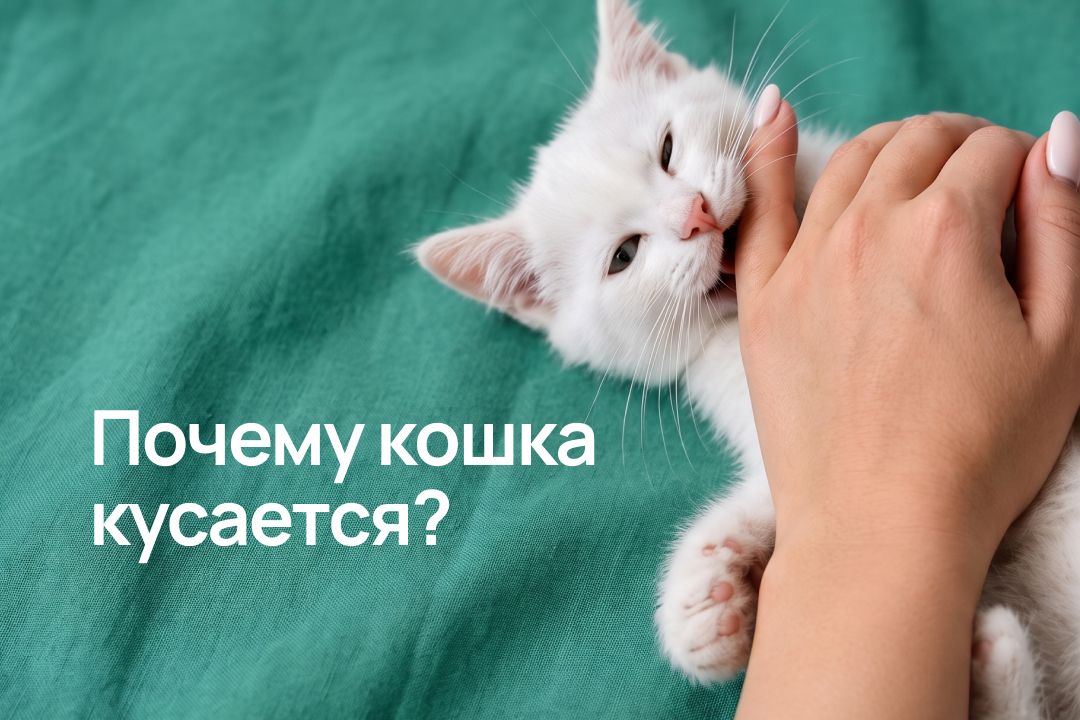
Your cat is lying calmly while you pet them — then suddenly bites your hand. It seems to happen without warning. But often, the cat has already asked you to stop; you simply missed the signals.
Before your cat resorts to using their teeth, they may show signals you have overlooked: looking away, turning their head, gently twitching their tail and licking their lips. Later, the tail movements become more pronounced and the ears lower slightly. This is how your cat shows that they no longer want to be touched.
A cat may yawn or lick their nose, paw or even your hand. They may turn away and swish their tail more vigorously. If you keep petting them, biting becomes a last resort to end the interaction. By then, the message is a loud “Leave me alone.” If we repeatedly ignore these quieter signals, the cat may start going straight to the more effective method.
Still, you cannot draw a conclusion from a single movement. A cat who has just woken up may also yawn, and cats may move their tails during play. Look at the whole picture: what happened beforehand, whether their body is relaxed and whether they are trying to pull away.
How to tell whether your cat wants you to continue
If your cat approaches and rubs against you, do not immediately launch into a long petting session. You can offer your hand and wait for them to sniff it and perhaps rub against it. Then begin with a few gentle strokes.
Every cat has their own preferences. One may enjoy being stroked at the base of the tail, while another finds it unpleasant. Pay attention to your own cat’s reactions and avoid touching areas they do not want you to touch.
After a few strokes, pause. If your cat reaches towards your hand and rubs against it again, you can continue. If they turn away or leave, stop.
If you repeatedly miss the early signals and only stop petting after a bite, it becomes harder for your cat to trust you. When they can choose when to start and end an interaction, they do not have to use their teeth to make that choice.
For more on cat behaviour, visit Julia Dargan’s Instagram.